Protecting Your Pet from Invisible Risks
Heartworms and parasites are silent threats that can cause lasting damage to your pet's health. Understanding these risks is the first step toward a long, happy life together. From internal heartworms to external pests, we provide clinical precision and compassionate prevention tailored to your pet's specific needs.

Heartworm Disease: A Serious Threat

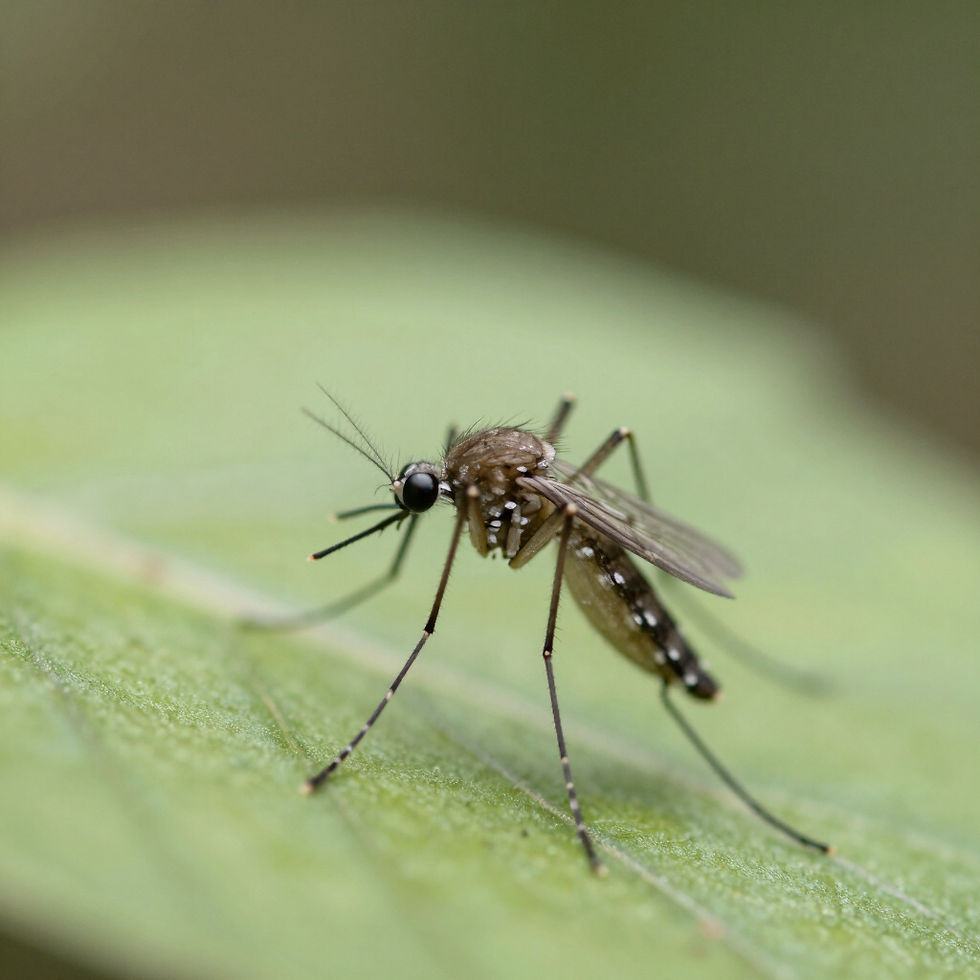
Heartworm disease is a potentially fatal condition caused by parasitic worms living in the heart and blood vessels of pets. Transmitted through mosquito bites, these parasites can cause permanent damage to the lungs and arteries, often without immediate outward signs. Understanding the risks is the first step in ensuring your companion stays safe and healthy for years to come.
✓
✓
✓
✓
Coughing & Fatigue
Decreased Appetite
Weight Loss
Difficulty Breathing
Common External & Intestinal Parasites

Fleas
Fast-moving pests that cause intense itching, dermatitis, and potential anemia in severe cases.

Ticks
Carriers of Lyme disease and Ehrlichia, these arachnids can transmit serious infections quickly.

Intestinal Worms
Roundworms and hookworms live in the digestive tract, potentially causing weight loss and zoonotic risks.

Ear Mites
Common in kittens and puppies, these tiny parasites cause severe irritation and ear infections.
Prevention is the Best Cure
Protecting your pets from heartworms and parasites requires a multi-layered approach. From monthly topical medications and oral preventatives to regular diagnostic screenings, we provide comprehensive care tailored to your pet's lifestyle and environment.
Regular Screenings
Annual blood tests to catch infections early before symptoms appear.
Medications
Effective FDA-approved preventatives for heartworm, fleas, and ticks.


Common Questions About Parasite Prevention
How do pets get heartworms?
Heartworms are transmitted through the bite of an infected mosquito. When a mosquito bites a pet, it deposits larvae into the bloodstream, which then travel to the heart and lungs to mature.
Is prevention necessary year-round in our area?
Yes, absolutely. While mosquito activity varies, parasites like fleas and ticks can survive in microclimates throughout the winter. Year-round prevention ensures there are no gaps in your pet's protection.
Can indoor-only cats get parasites?
Yes. Mosquitoes, fleas, and ticks can easily find their way into homes through open windows, doors, or on your own clothing. Indoor cats are just as susceptible to the diseases these parasites carry.
What are the signs of heartworm disease?
Early stages often show no symptoms. As the disease progresses, signs may include a persistent cough, fatigue, decreased appetite, and weight loss. Prevention is critical because treatment for advanced disease is complex and costly.
How often should we test for heartworm?
We recommend annual blood testing even for pets on year-round prevention. This ensures the protocol is working correctly and allows us to detect any issues early before clinical signs develop.

TAKE THE FIRST STEP
Ready to Protect Your Pet?
Early screening and consistent prevention are the most effective ways to ensure your pet stays healthy and active. Join the Northern Neck Vets family in prioritizing their long-term wellness.